 Surprise Mold Removal
 Mold Remediation in Surprise, AZ
Mold remediation is the controlled removal of mold-contaminated materials under containment, followed by verification testing that proves the job worked. In Surprise, most residential remediations cost $1,500–$6,500 and take 1–7 days depending on scope. The work we arrange is performed by IICRC-certified specialists following the ANSI/IICRC S520 standard, which matters more in Arizona than almost anywhere, because this state has no mold license and no legal minimum standard at all.
If you already know you have mold, you can see it, or an inspection confirmed it, this page explains exactly what happens next, in the order it happens.
The S520 process, step by step
1. Scope and moisture verification. Remediation without a moisture map is guesswork. Before any plastic goes up, we confirm where the water came from, how far it traveled, and that the source is fixed or scheduled to be fixed. Remediating around an active leak is how companies get paid twice for the same wall.
2. Containment. The work area gets sealed with 6-mil polyethylene barriers, zippered entry, and covered floor paths. Supply and return vents inside the zone are sealed so the HVAC system can’t pull spores through the house, a detail that matters enormously in Arizona homes where the air handler sits in a central hallway closet.
3. Negative air with HEPA filtration. Air scrubbers exhaust filtered air out of the containment, keeping it at negative pressure relative to the rest of your home. Disturbing a mold colony releases orders of magnitude more spores than leaving it alone, negative air is what keeps demolition from turning a one-room problem into a whole-house one.
4. Removal of contaminated materials. Porous materials mold has colonized (drywall, insulation, carpet pad, MDF baseboard) are cut out, bagged inside the containment, and disposed of. Structural framing usually stays: it gets HEPA-vacuumed, damp-wiped, and where needed abrasively cleaned (sanding or media blasting) to remove growth from the wood surface.
5. Cleaning and antimicrobial treatment. Every surface in the containment gets HEPA-vacuumed and damp-wiped. Framing and remaining surfaces are treated with an EPA-registered antimicrobial. Note what we don’t do: fog biocide over contaminated drywall and call it remediation. Dead mold is still allergenic, mold can aggravate allergies and asthma whether it’s alive or not, so the material comes out. Spray-and-pray is the signature of an unlicensed-market shortcut.
6. Dry-down verification. Moisture readings on remaining framing must be back to normal ranges before anything gets sealed up. If a wall cavity needs another day on the drying equipment, it gets it.
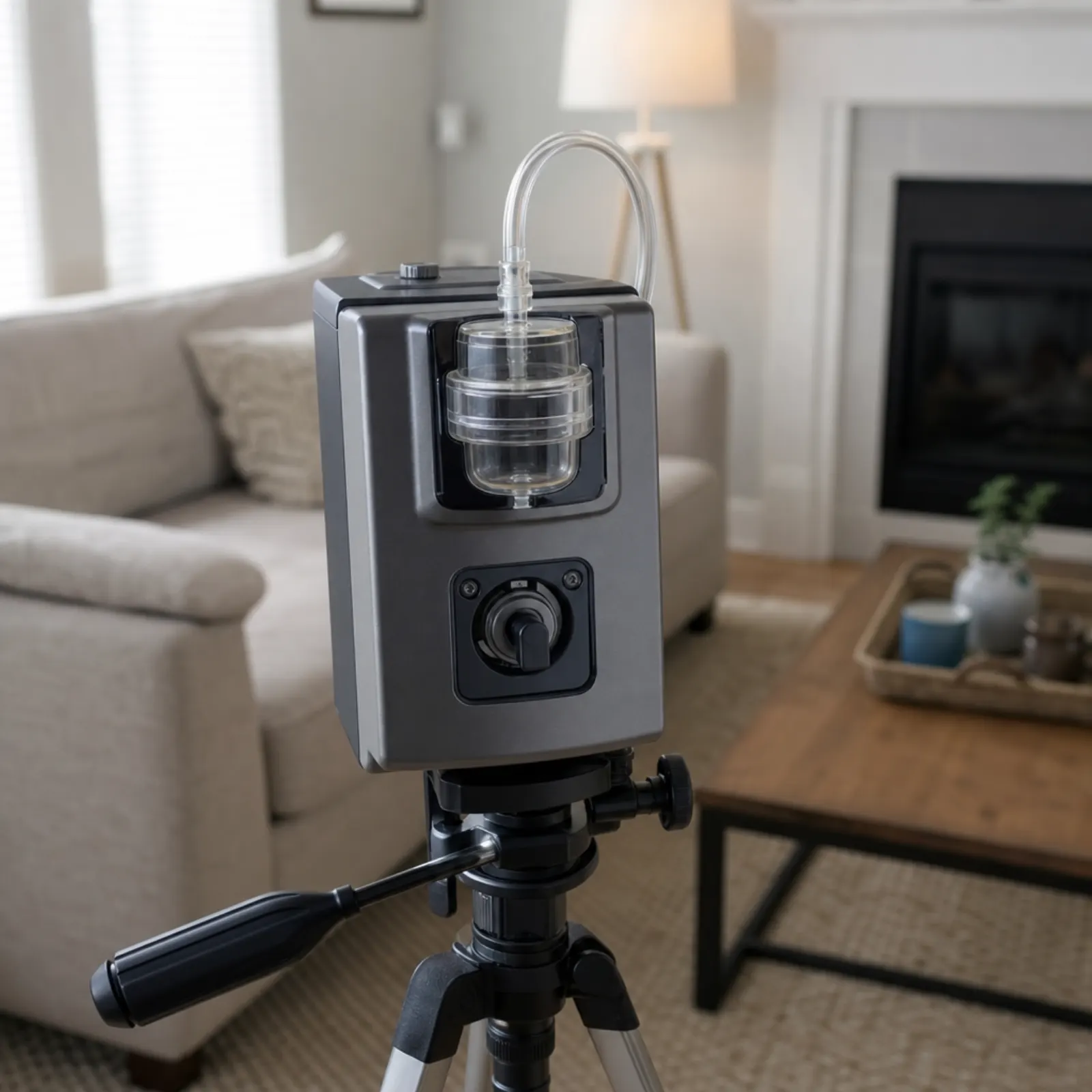
7. Clearance testing. An air sample inside the containment goes to an independent lab and gets compared against an outdoor baseline. Pass, and containment comes down. Fail, and we re-clean and re-test at no additional cost. This step is the difference between “the mold looks gone” and “the mold is gone”, never hire anyone who skips it.
8. Reconstruction (optional, quoted separately). New drywall, texture match, paint, baseboard. Typically $500–$2,500 depending on the area. We quote it explicitly so you can compare bids honestly. See pricing for how the full numbers break down.
What remediation looks like in Surprise homes
The building stock here shapes the jobs:
- AC closet remediations are our most common job in newer neighborhoods: Asante, Sterling Grove, and the recent Marley Park phases. A clogged condensate line overflows into the closet, and the drywall behind the air handler grows mold in the dark. Usually a single-zone containment at the lower end of the price range, often paired with HVAC treatment if the blower pulled spores into the ducts.
- Bathroom and kitchen wall jobs dominate the 2000s-era neighborhoods (Surprise Farms, Sierra Montana, Rancho Gabriela) where shower valves, angle stops, and dishwasher lines are hitting their second decade. Cabinet sides and baseplates decide whether these stay small.
- Multi-room jobs cluster in older homes, especially Sun City West, where a copper pinhole leak can run for months behind original cabinetry before anyone notices. These involve multiple containment zones, flooring removal, and longer dry-downs: the $3,500–$6,500 tier.
- Post-monsoon ceiling and attic jobs spike every fall across the whole Northwest Valley after July–September storms push water past tile underlayment and parapet cracks. The monsoon leak mold page covers this pattern in detail.
Timing: why waiting costs real money
Mold colonizes wet drywall within 24–48 hours and spreads outward as long as moisture feeds it. A colony that would have been a $1,800 single-wall job in week one can involve the adjacent room, the baseplate, and the insulation by month two. If your water event is fresh, the wall is still wet, call about water damage cleanup first, because a $1,000–$2,500 structural dry-out this week can eliminate the need for remediation entirely. That’s not us talking ourselves out of work; it’s the honest sequencing, and it’s why homeowners in Surprise send their neighbors to us.
What about the belongings in the work area?
Contents get triaged, not trashed. Hard, non-porous items (furniture frames, dishes, tools) are HEPA-vacuumed and damp-wiped and stay with you. Porous items that mold actively colonized (a cardboard box the colony grew across, saturated upholstery) are documented for your insurance claim and disposed of. Everything else moves out of the containment before work starts. We photograph contents beforehand, which protects both of us and gives your adjuster what they need.
Questions to ask any remediation bidder
“Licensed and insured” on a truck door means less in this trade than in most: Arizona issues no mold license to hold, so the checkable pieces are liability insurance, an ROC number for any rebuild work, and IICRC certification for the remediation itself. Since the state won’t vet mold contractors for you, use these five questions, and walk away from hedged answers:
- Are your technicians IICRC-certified? (Ask for the certification number.)
- Will you build containment with HEPA-filtered negative air, or just “seal off the room”?
- Is independent clearance testing included in the price?
- Does your number include reconstruction or removal only?
- What’s your warranty if clearance fails or mold returns at the same spot?
We answer all five in writing, in the scope, before you commit. Same-day assessments are usually available across Surprise, Waddell, Sun City West, Goodyear, and Buckeye, get a fast quote and we’ll take a look.
Frequently Asked Questions
What does mold remediation cost in Surprise?
Most jobs run $1,500–$6,500, with the Phoenix-area average around $1,800. A single contained area like one bathroom wall or an AC closet is the low end; multi-room contamination with demolition is the high end. You get a firm written price after a free assessment, never a phone guess.
Do you fix the leak that caused the mold?
We correct moisture sources within our scope (like drying structure and clearing condensate lines) and coordinate directly with your plumber or roofer for the rest. The source must be fixed before containment comes down, otherwise the mold returns and the remediation was wasted money.
Can I stay home during remediation?
Usually yes. The work area is sealed under negative air pressure with HEPA filtration, so spores don't migrate to the rest of the house. You'll avoid the immediate work zone, and if ducts are in scope the AC may be off for stretches, we schedule around Arizona afternoons accordingly.
How do I know the mold is actually gone?
Clearance testing, independent air sampling inside the containment after work completes, compared against outdoor baselines. If it doesn't pass, we keep working at no extra charge until it does. No legitimate remediation ends without it.
Does remediation include rebuilding my wall?
Our remediation scope covers removal, treatment, and clearance. Reconstruction (new drywall, texture, paint, baseboard) is quoted separately and clearly, typically $500–$2,500 depending on the area. Every bid you compare should state this either way; many quietly don't.